Agents inside guardrails
I was the only designer, so I built a system to multiply myself. I ran three to four Claude Code agents in parallel, connected to Figma through MCP. They worked inside guardrails I set up: our design tokens, a CLAUDE.md file that held the project's rules and context, and an explicit rule against creating one-off components.
The agents handled the smaller work: UI updates, visual refinements from internal feedback, and first-pass explorations of blast-radius visualizations. I reviewed every output, mostly for visual quality, and redirected about half of them. One run created a set of new components and changed several established ones, so I reverted it. Another proposed a flow twice as long as the one I'd designed, and I kept mine. Over time I built a skill that asks me follow-up questions before an agent starts, which made the first outputs much better.
Nothing went straight into the product. I reviewed changes in Figma first, and then my front-end developer and I reviewed the implementation in Storybook. The work went to his branch, and we reviewed each pull request together before it was merged into the component system.
Handing off the small work freed me for the hard problems: the data model, the blast-radius graph, and keeping the experience cohesive. The demo we shipped would normally have taken a team of three designers.
Handing off a prototype, not a mockup
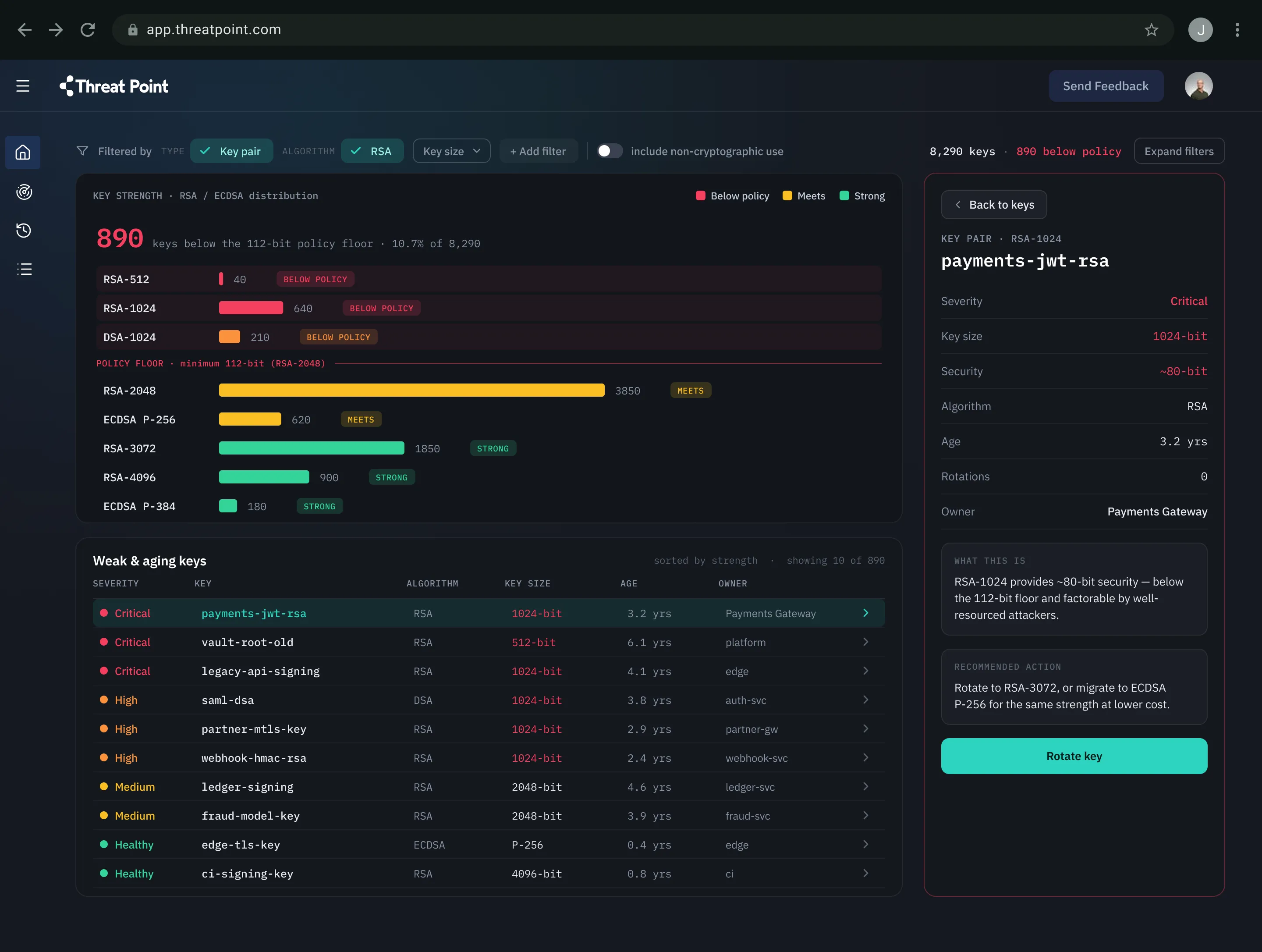
We never wrote conventional PRDs. The vision lived in one 24-page thesis from our CTO and founder. Everything else started as a one-page note, and then we went straight to prototyping. Over my last year on ThreatPoint, I moved most of my design work out of Figma and into Claude Code. The usual handoff between designer and developer compressed. Designing, prototyping, and aligning on a feature went from about two weeks to about two days.
I usually ran Claude Code in the terminal with git worktrees, so several sessions could work in parallel without overwriting each other. A prototype skill I built started each session with a subagent that read our design system and existing components. The sessions then built variants on top of that. I compared the results, picked a direction, and refined the UI and interaction details myself.
Instead of a static mockup, I handed off a coded prototype. It had real fidelity, and the edge cases were already handled. Our developers reviewed it and changed what they needed to meet their quality standards. I owned the intent, and they owned the code. The product evolved much faster because of it.
The speed had a cost: keeping everyone current when changes landed every day. We kept a dedicated Slack channel, met daily, and shared quick screen recordings. I also wrote PR descriptions that explained the reason for each change. With no PRDs, those descriptions became our design record.